
The Complete Guide to Restaurant Inventory Management
Restaurant inventory management is the backbone of any successful food business. Keeping stock monitored, controlled and profitable protects your margin.
By eatOS Staff
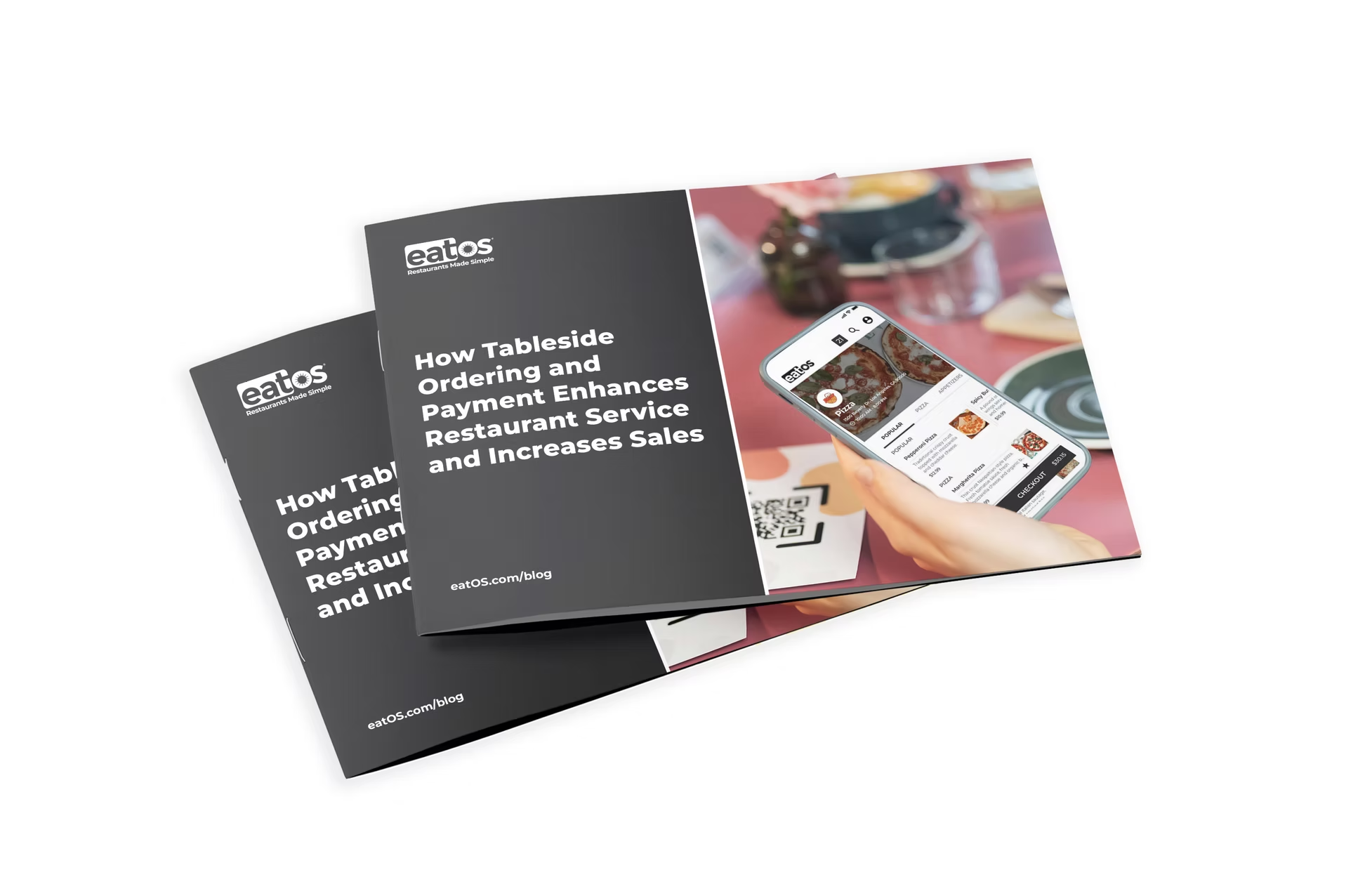
Restaurant inventory management is the backbone of any successful food business. Keeping track of stock, controlling costs and avoiding shortages are essential for profitability. Without an efficient system in place, restaurants risk overspending, running out of key ingredients and dealing with unnecessary food waste.
Understanding Restaurant Inventory Management
Restaurant inventory management involves tracking, ordering and utilizing ingredients efficiently. It ensures you have the right amount of stock to meet customer demand while minimizing excess that could lead to spoilage. A well-implemented system prevents last-minute shortages and reduces unnecessary costs.
The Importance of Accurate Inventory Tracking
Accurate inventory tracking provides insights into stock usage, reduces waste and helps in budgeting. When you are constantly guessing how much you have, it becomes far more difficult to control expenses, prep margins and menu pricing. Restaurants with poor inventory management often struggle with inconsistent food costs and higher costs of raw materials.
Key Strategies for Effective Inventory Management
Organize and Label Storage Areas
A well-organized storage space improves efficiency. Ingredients should be grouped logically, with clear labels and expiration dates visible. This method helps kitchen staff locate items quickly and ensures that older stock is used before newer stock.
Set Par Levels
Par levels are the minimum quantity of ingredients you should have on hand at all times. When inventory falls below these levels, it is time to reorder. Setting par levels helps prevent overstocking, which can lead to waste, and understocking, which can result in missed sales opportunities.
Conduct Regular Inventory Audits
Regular inventory counts help detect discrepancies caused by theft, spoilage or errors. A weekly or biweekly audit ensures that records remain accurate and highlights any inconsistencies between recorded and actual stock levels.
Implement the First In, First Out Method
The first in, first out method ensures that older stock is used before newer stock, reducing food waste. Training staff to follow this principle prevents expired ingredients from accumulating and affecting food quality.
Use Technology for Inventory Control
Technology has revolutionized inventory management by reducing human errors and automating stock tracking. AI-enabled inventory systems and AI-based food ordering chatbots can optimize inventory control, improve forecasting and streamline ordering processes.
Leveraging AI for Smarter Inventory Management
AI-Powered Forecasting
Advanced Point of Sale systems analyze sales data to predict inventory needs more accurately. By tracking historical sales patterns, these systems help restaurants reduce waste and avoid overordering. AI forecasting improves accuracy and ensures that ingredients are available when needed without excessive stockpiling.
AI-Based Food Ordering Chatbots
Order food using AI-driven chatbots enhances accuracy and efficiency in customer orders. These chatbots process orders with fewer errors and can integrate with inventory systems to adjust stock levels in real time. AI-powered chatbots streamline operations and reduce manual workload.
Real-Time Inventory Updates
AI-integrated inventory management tools update stock levels instantly as ingredients are used. This eliminates the need for manual tracking and reduces the risk of running out of key items. A Point of Sale system provides accurate reporting with real-time insight, making it easier to monitor supplies efficiently.
Training Staff for Better Inventory Management
Even the best systems require proper implementation. Training your staff on inventory management best practices ensures consistency and accountability. Employees should understand the importance of accurate stock tracking and be trained to follow AI-supported technologies and new technology effectively.
Analyzing Data for Improved Decision Making
Data-driven decision making helps optimize inventory processes. By analyzing reports on ingredient usage, sales and demand trends, restaurant owners can adjust their purchasing strategies. AI-enabled Point of Sale systems simplify this process by generating detailed analytics and automated reports, allowing managers to make informed inventory decisions.
Reducing Food Waste and Controlling Costs
Minimizing food waste is not only good for the environment but also for the bottom line. Restaurants can reduce waste by improving portion control, repurposing ingredients and improving menu planning. AI-powered inventory systems help monitor waste and suggest adjustments to reduce it, protecting your margin over time.
The Future of Restaurant Inventory Management
Advancements in AI and automation are transforming how restaurants manage inventory. As demand grows, industry-wide AI use, automated inventory tracking and predictive analytics become more accessible and increasingly affordable. As technology continues to evolve, restaurants that embrace AI-based solutions will gain a competitive edge, controlling operational efficiency.
Conclusion
Effective restaurant inventory management is essential for controlling costs, reducing waste and overall efficiency, and ensuring best practices like first in, first out. Par levels and audits keep operations consistent. With AI-enabled Point of Sale systems and automated inventory tracking, restaurants can optimize their stock levels and enhance customer service.
Book a demo with eatOS and invest in smarter inventory management today. Cut food waste, improve accuracy and elevate a seamless dining experience for your customers.
Keep reading

Inventory Management
How AI Is Transforming Hospitality for Quick Service and Fast Casual Restaurants?
Read
Inventory Management
Lagging Sales? Here's How to Fix It with Smart Restaurant Management Software
Read
Inventory Management
Are You Missing Out on Revenue by Not Using AI in Your Restaurant Point of Sale Solutions?
ReadNewsletter
Connect to the Future
Get valuable tips on the future of restaurant technology, industry trends, and strategies to help your business grow.